Health and Safety Policy — Croydon Skip Hire
 Croydon Skip Hire is committed to protecting the health, safety and welfare of all employees, contractors and members of the public who may be affected by our operations. This policy sets out the minimum standards and procedures that govern our approach to safe working across our rubbish company service area and related waste management activities. The aim is to ensure that every task, from skip delivery and collection to on-site waste handling, is carried out with a robust focus on risk control and continuous improvement.
We operate a safety-first culture that emphasises legal compliance, prevention of injury and protection of the environment. All staff are expected to follow safe systems of work and report hazards promptly. Training, supervision and competency assessments will be provided to support safe performance. This policy applies to all work undertaken by our waste collection and skip hire teams and to everyone visiting our operational sites or using our rubbish removal services.
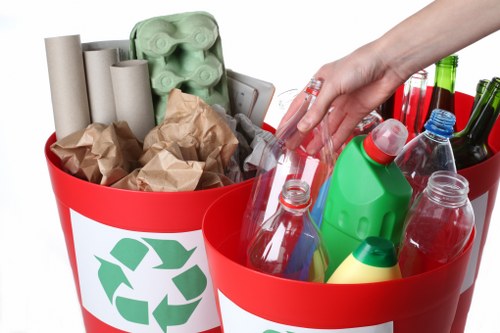 Risk assessment underpins every activity: hazards are identified, controls are selected and the residual risk is assessed before work begins. Controls include use of appropriate personal protective equipment (PPE), safe segregation of waste types, traffic management for vehicle movements and clear exclusion zones during loading and unloading. Employees must comply with site rules and wear specified PPE at all times when required by a task-specific assessment.
Scope and Responsibilities
Senior management retains overall responsibility for implementing and maintaining this policy. Managers and supervisors are tasked with ensuring that safe systems of work are developed for all activities in the skip hire and rubbish removal operations, including delivery and collection in the designated service area. They will ensure that adequate resources are allocated to training, plant maintenance and safety monitoring. Contractors engaged on behalf of the company will be required to demonstrate equivalent standards before work starts.
 Employees are responsible for following safe methods, attending required training and reporting any unsafe conditions. Specific responsibilities include adherence to vehicle safety checks, correct loading practices to prevent overloading, safe manual handling techniques and ensuring skips are located and secured correctly to prevent public hazards. The policy mandates regular toolbox talks, competency checks and documented induction for new starters in the rubbish company and waste management teams.
Operational controls will include documented work instructions, clear signage, and the routine inspection of equipment such as lifting gear, tail-lifts and restraints. All operational staff will be provided with task-based risk assessments and method statements for higher-risk work. A clear hierarchy of control — elimination, substitution, engineering controls, administrative controls and PPE — will be applied to reduce exposure to hazards.
Safe Systems, Monitoring and Incident Management
Accident and incident reporting procedures will be straightforward and accessible. Every incident, near miss or unsafe condition must be reported immediately so corrective action can be taken and lessons learned shared across the rubbish removal and skip hire teams. Investigations will identify root causes and track remedial actions to completion. Records of incidents, training, inspections and maintenance will be maintained to support continuous improvement.
 Preventive maintenance forms a cornerstone of our safety approach. Vehicles, lifting equipment and securement devices will be inspected at agreed intervals and taken out of service if defects are found. Vehicle drivers and operators must complete pre-shift checks and report defects without delay. Contractors and temporary staff must provide evidence of competency and be briefed on site-specific hazards before starting work in the service area.
 Emergency procedures are in place to manage fire, spillage, medical emergencies and other site incidents. These procedures include clear roles, communication channels, muster points and liaison arrangements with emergency services. All operational locations will have access to first aid equipment and trained first aiders as required. Regular drills will ensure response plans remain effective and staff remain confident in their roles.
Performance monitoring will combine reactive and proactive measures: safety observations, audits, inspection checklists and leading indicators such as completion of risk assessments and training. Key safety performance indicators will be reviewed by management and used to drive improvement initiatives across our waste management company and service area. Compliance with statutory duties and industry best practice will inform policy updates.
Contractor management and third-party coordination are controlled through pre-qualification, clear scopes of work and defined interfaces to avoid confusion during mixed operations. External suppliers engaged to transport or process waste on our behalf must meet our safety standards and provide evidence of insurance and competence. This helps ensure consistent safety outcomes across the broader rubbish company supply chain.
We commit to regular review of this policy to reflect changes in legislation, industry practice and operational lessons learned. The policy will be communicated, understood and implemented at all levels. Compliance with these arrangements is mandatory: failure to adhere to the policy may result in disciplinary action. By working together, we will maintain a safe environment for staff, contractors and the public while delivering reliable skip hire and waste services across our service area.