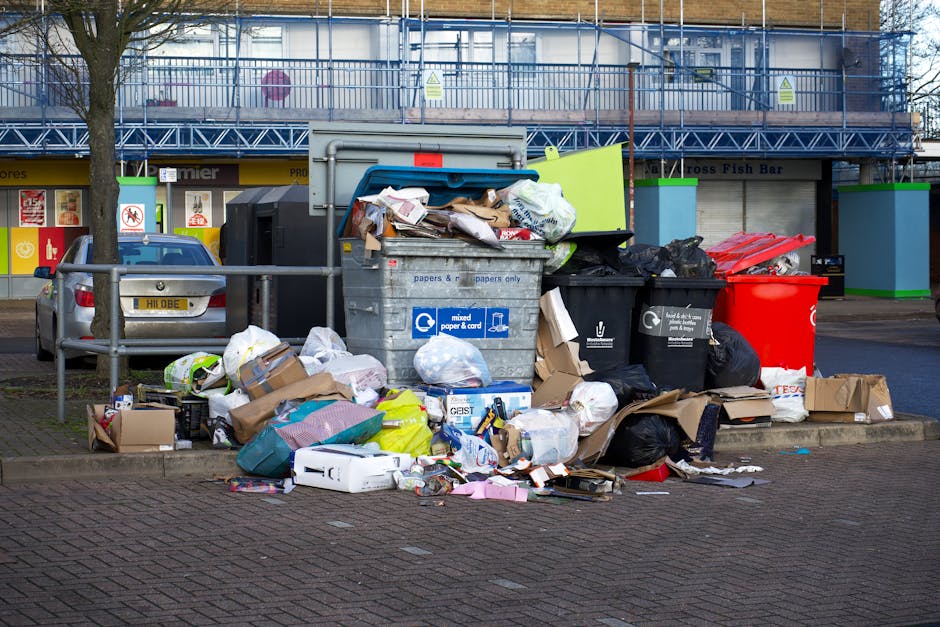
Purley Croydon waste removal costs explained: avoid hidden fees
If you're clearing rubbish in Purley or anywhere in Croydon, the price can feel annoyingly vague at first. One quote sounds fine, then suddenly there's talk of loading charges, permit costs, mattress fees, or "restricted access" extras. That's exactly why this guide on Purley Croydon waste removal costs explained avoid hidden fees matters: it breaks down what you are actually paying for, where surprise charges come from, and how to compare options without getting caught out. Simple, really. Or at least it should be.
Whether you're clearing a garage, sorting builders' debris, or dealing with a full house cleanout, understanding the cost structure helps you choose the right service and avoid paying twice for the same job in different words.
Why Purley Croydon waste removal costs explained avoid hidden fees Matters
Waste removal is one of those services people often book in a hurry. A skip is blocking the driveway, the loft is full, or the builders are due tomorrow morning. Under pressure, it's easy to look only at the headline price. But the real cost depends on a few moving parts, and that is where hidden fees tend to sneak in.
In Purley and across Croydon, properties can vary a lot. You'll see narrow roads, shared access, front gardens with limited turning space, terraced homes, flats with no easy loading area, and commercial premises that need timed collections. Each of those things can affect the final bill. Not always dramatically, but enough to matter.
Hidden fees usually appear when a quote has not fully accounted for:
- the type of waste being removed
- how much space it takes up
- whether loading time is included
- access issues at the property
- permit requirements
- restricted or prohibited items
- extra labour for sorting or lifting
That is why a transparent quote matters more than a cheap-looking one. A clean price that is slightly higher can be better value than a low teaser that grows by the minute. To be fair, most people only realise this after the first bad experience.
Expert summary: The best waste removal quote is not the lowest number at the start. It is the one that clearly explains what is included, what could change, and what you would pay if the job turns out to be more involved than expected.
How Purley Croydon waste removal costs explained avoid hidden fees Works
Most waste removal pricing in Croydon is built from a handful of core elements. Once you understand those pieces, the numbers make a lot more sense.
1. Waste type
General household waste, garden waste, builders' rubble, furniture, appliances, and mixed rubbish are priced differently because they are handled differently. Heavy materials usually cost more to move and dispose of. Waste that needs sorting or special handling can also increase the price.
For example, a load of light loft junk is usually simpler than a mixed load with bricks, soil, old plasterboard, and broken appliances. Same van, very different job.
2. Volume or load size
Many services charge by the amount of space your rubbish takes up, often using fractions of a skip or van load. The more volume you use, the more you pay. If you under-estimate and book too small, you may need a second collection. That is one of the most common ways costs creep up.
If you want a clearer idea of what different sizes can hold, it helps to review skip sizes and prices before booking. It gives you a practical sense of how volume affects cost.
3. Labour and loading time
Some services include labour. Others price separately for manual loading, waiting time, or difficult access. If the team has to carry waste down stairs, through a long hallway, or from the back of a property, that extra effort may affect the quote.
A wait-and-load arrangement can be useful if the waste is ready to go and there's space for quick loading. In those cases, wait and load skip hire or a similar collection approach may be more efficient than keeping a skip on site.
4. Access and location
A straight driveway with easy street access is simpler than a tight cul-de-sac or a flat above a shop. If the vehicle cannot park close by, or if parking restrictions mean the crew has to move equipment further, the price may rise. That's not a trick; it's logistics. Still, it should be explained upfront.
5. Permits and parking issues
In some situations, a skip or collection vehicle may need to occupy a public highway or a controlled parking space. In those cases, a permit may be required. If a permit is needed, it should be discussed clearly before you confirm the booking. You can also review the basics on skip permits and skip hire permits so the whole process is less of a surprise.
6. Waste restrictions
Some items are not allowed in standard mixed waste collections. Others can be taken, but only under specific conditions. If you add restricted items without warning, additional charges may apply, or the collection may need to be re-quoted. That is one of those awkward moments people hate.
If you are unsure, check what can go in a skip before you book. It saves time and, frankly, a bit of embarrassment too.
Key Benefits and Practical Advantages
Once the pricing is clear, waste removal becomes much easier to manage. You can plan the job properly, avoid duplicated costs, and choose the right method for the waste you have. There are a few real-world benefits worth knowing.
Better budgeting
When quotes are transparent, you can compare like with like. That means you are not comparing a basic collection with a fully inclusive service and assuming they are the same. They rarely are.
Less stress on the day
Clear pricing reduces back-and-forth on collection day. Nobody wants a call at 7:45 in the morning asking whether the old fridge is included or whether the pile is "slightly over" the agreed amount. You can hear the headache already.
Fewer delays
If the service knows what they are collecting, where they are collecting it from, and how accessible the site is, the job tends to run smoothly. That matters for time-sensitive clearances, especially if you're moving house, finishing a refurb, or trying to hand over a commercial unit.
More suitable service choice
Sometimes a skip is the right answer. Sometimes a man and van team is better. Sometimes a grab lorry is the most practical option. When cost is explained properly, it's easier to choose based on the job rather than habit.
For example, if you need fast removal from a difficult-access site, a service like grab hire services may be more suitable than waiting for a static skip. For tighter timeframes, same day skip hire can sometimes be the more practical fix.
Who This Is For and When It Makes Sense
This topic matters to anyone who wants waste removed without financial guesswork. But some people feel the pain more sharply than others.
Homeowners and tenants
If you are clearing a loft, replacing furniture, or emptying a shed, you probably want one simple price and no nonsense. Domestic jobs can look small but still create awkward costs if bulky items, stairs, or access issues are involved. A service like domestic skip hire or man and van may suit different situations depending on how much waste you actually have.
Landlords and letting agents
End-of-tenancy clearances can be messy. Sometimes it is a single sofa. Sometimes it is a whole flat with odd bits left behind. Transparent pricing helps you make decisions fast, especially if you need to recover a property quickly.
Builders and tradespeople
Construction waste is where pricing clarity really matters. Bricks, timber, rubble, plasterboard, packaging, and mixed debris all influence the final cost. If you're working on a schedule, you need the collection method to match site conditions. builders waste removal and builders skip hire are worth comparing when the load is predictable.
Businesses and offices
Commercial clearances often involve furniture, storage, office equipment, confidential material, or a mix of different waste streams. In those cases, cost needs to reflect security, sorting, and time on site. Services such as office clearance and commercial skip hire can help depending on what you're clearing.
People with awkward or specialist waste
Some jobs are simple in volume but awkward in content. A broken fridge, a mattress, a sofa, or confidential paperwork changes the approach. If that sounds familiar, look at fridge and appliance removal, mattress and sofa disposal, or confidential shredding.
Step-by-Step Guidance
If you want to avoid hidden fees, this is the part to follow. It is practical, straightforward, and it works.
- Sort the waste into rough categories. Separate general rubbish, heavy materials, furniture, green waste, and anything unusual. This makes the quote much more accurate.
- Estimate the volume honestly. Don't guess based on optimism. A pile that looks "half a van" often turns into more once broken down.
- Check access at the property. Can a vehicle park nearby? Is there a long carry distance? Are there stairs, narrow gates, or restrictions?
- Ask what is included in the price. Loading, labour, disposal, fuel, and VAT should all be clear. If anything is unclear, ask again. Properly. Don't be shy.
- Ask about extras before booking. Permits, mattress fees, appliance handling, restricted materials, and waiting time are the usual suspects.
- Confirm the collection method. Skip, grab hire, man and van, wait-and-load, or enclosed skip options all suit different jobs.
- Get the price in writing. A written quote or booking confirmation is the easiest way to stop misunderstandings later.
- Re-check the load before collection day. If you add more rubbish after the quote, tell the provider before they arrive.
A small detail, but an important one: many bad pricing experiences start with "it'll probably be fine." Probably is not a contract. It is also not a budget.
Expert Tips for Better Results
Over the years, one thing becomes obvious: the cheapest-looking option is rarely the cheapest end result. Here are the habits that usually save money.
Be exact about what you have
Photos help. A few clear images of the waste, the access route, and the parking situation can make a quote far more accurate. If the team can see the job before arriving, there is less room for assumptions.
Break bulky items down if safe to do so
Flat-pack furniture, dismantled shelving, and broken-down garden waste take up less space. That can lower the volume and help avoid booking too large a service. Just don't spend an hour trying to wrestle a wardrobe in the rain if it is safer to leave it whole.
Choose the right service for the site
If you have a tricky driveway or limited parking, a static skip may not be ideal. A flexible collection might work better. For secure loads, an enclosed and lockable skip hire option can be more suitable where security matters.
Think about the end point, not just pickup
If recycling and responsible disposal matter to you, ask how the waste will be handled after collection. You do not need a lecture. Just a clear explanation. A reliable provider should be able to point you toward its recycling and sustainability approach without sounding vague.
Watch for vague wording
Phrases like "from," "subject to assessment," or "additional charges may apply" are not automatically bad. But if every part of the quote sits behind a caveat, ask for a proper breakdown. If you still feel none the wiser, that's usually your sign.
Common Mistakes to Avoid
Most hidden-fee problems come from avoidable mistakes. Here are the biggest ones.
- Booking on headline price alone. A low base rate can hide labour, mileage, disposal, or permit extras.
- Underestimating the amount of waste. This is probably the most common issue. Tiny pile turns into a mountain. It happens.
- Forgetting about access constraints. Tight roads, permit bays, steps, and long carries can all affect cost.
- Mixing prohibited items with general waste. This can trigger refusal, reclassification, or extra handling charges.
- Assuming every service includes loading. Some do, some don't. Never assume.
- Ignoring permit needs. If a skip or vehicle needs public space, the permit issue should be checked early.
- Not comparing the same type of service. Comparing skip hire with man and van without checking what each includes is apples and pears.
And one more, because it matters: don't keep adding waste after the quote without telling anyone. It may sound harmless, but that is exactly how a tidy price turns messy.
Tools, Resources and Recommendations
You do not need complicated tools to make a smarter decision. A few simple things help a lot.
Useful things to prepare before requesting a quote
- photos of the waste
- rough measurements of bulky items
- the address and access details
- parking limitations or permit concerns
- a note of anything special, heavy, or awkward
Service pages worth reviewing first
If you are still deciding which route to take, these pages can help you compare the practical options:
- rubbish removal for straightforward general clearance
- skip hire if you want a set container on site
- grab lorry hire for quicker site-side loading
- house clearance for larger domestic jobs
- site clearance for larger clear-outs and outdoor areas
For pricing clarity, pricing and quotes is the place to look if you want a better sense of how estimates are structured. If you plan to book directly, book online is a useful next step once you know what you need.
Law, Compliance, Standards, or Best Practice
Waste removal in the UK is not just a logistics job; there is a compliance side too. You do not need to memorise every detail, but you should expect a professional provider to treat waste responsibly and handle it in line with normal UK waste management practice.
In plain English, that means:
- separating waste types where needed
- avoiding prohibited or hazardous items in standard loads
- disposing of waste through proper routes
- being transparent about what can and cannot be collected
- keeping the customer informed when extra rules affect cost
If a job includes hazardous materials, confidential items, or unusual waste, it should be treated as a specialist job rather than squeezed into a standard quote. Pages such as hazardous waste disposal and confidential shredding show the kind of specialised handling some jobs require.
Best practice is really about clarity. Clear description, clear price, clear collection method, clear disposal expectations. That's the gold standard. Not flashy. Just solid.
Options, Methods, or Comparison Table
Different waste jobs need different solutions. The table below gives a practical comparison so you can match the method to the job rather than overpaying for the wrong one.
| Method | Best for | What it usually includes | Watch out for |
|---|---|---|---|
| Skip hire | Ongoing clear-outs, home renovation, predictable waste | Container delivery, collection, disposal | Permits, access, overfilling, restricted items |
| Man and van | Mixed household waste, furniture, one-off clearances | Collection crew, loading, transport, disposal | Labour limits, volume estimation, item restrictions |
| Grab hire | Heavier or bulkier waste, outdoor piles, site clearances | Large-volume loading, transport, disposal | Space for the vehicle, material segregation |
| Wait and load | Quick clearances where on-street container time is not ideal | Vehicle arrival, loading window, removal | Timing pressure, loading readiness, waiting rules |
| Specialist disposal | Fridges, mattresses, confidential items, hazardous waste | Special handling, compliant disposal route | Extra conditions, separate charges, item checks |
If you are dealing with commercial jobs, construction waste disposal and demolition waste removal may fit better than a general domestic solution. For gardens, garden waste removal is often the cleanest and most straightforward option.
Case Study or Real-World Example
Here's a realistic example from the sort of job people in Purley ask about all the time.
A homeowner had cleared a back bedroom, a small shed, and some old flat-pack furniture. At first glance, it looked like "a small pile." But once everything was broken down, it included timber offcuts, a broken shelving unit, bagged general waste, a mattress, and a rusted metal frame. The first estimate they received was low, but the quote did not clearly say whether mattress disposal and loading time were included.
Before booking, they checked what was allowed, asked for a breakdown, and sent a few photos. That made the final price much more predictable. They also discovered that the mattress and the old appliance needed separate handling. No drama. Just clarity.
The main lesson? The cheapest quote on paper is not much use if it changes after the crew arrives. A better quote is one that reflects the actual job, even if it is a little higher. Especially then, if we're honest.
Practical Checklist
Use this before you confirm any waste removal booking in Purley or Croydon.
- Have I described the waste clearly?
- Have I checked whether any items are restricted?
- Do I know if loading is included?
- Have I confirmed whether permits may be needed?
- Have I explained access issues, stairs, or parking limitations?
- Have I asked whether VAT, disposal, and labour are included?
- Do I know what happens if the load is bigger than expected?
- Have I compared the same type of service, not just the same headline price?
- Do I have the quote in writing?
- Do I know which method is best: skip, van, grab, or wait-and-load?
If you can tick most of those off, you are already ahead of the game. Honestly, that alone saves a lot of trouble.
Conclusion
Waste removal pricing does not have to be confusing. Once you understand how waste type, volume, labour, access, permits, and restricted items affect the bill, the whole process becomes much easier to judge. That's the real value of Purley Croydon waste removal costs explained avoid hidden fees: it gives you the confidence to compare quotes properly and book with fewer surprises.
The best approach is usually the simplest one. Describe the job honestly, ask for an itemised quote, check the service method, and make sure the provider has explained any extras before they arrive. Do that, and you're in a far stronger position than most people who just click the cheapest option and hope for the best.
If you want a clear next step, review the service details, compare your options, and book only when the quote makes complete sense to you. A calm, transparent job is still the nicest kind of job.
Get a free quote today and see how much you can save.
Frequently Asked Questions
How do waste removal costs work in Purley and Croydon?
Costs usually depend on the type of waste, how much there is, how easy it is to access, and whether labour, permits, or special handling are needed. The more complex the job, the more likely the price will reflect that.
What hidden fees should I look out for?
Common extras include permit charges, waiting time, mattress or appliance fees, restricted waste charges, and extra labour for difficult access. Ask for these in writing before booking.
Is skip hire always cheaper than rubbish removal?
Not always. Skip hire can be cost-effective for ongoing projects, while rubbish removal may be better for one-off jobs, awkward access, or mixed waste. The cheapest option depends on the job, not the label.
Do I need a permit for a skip?
You may need one if the skip will be placed on a public road or another controlled area. If your skip is staying fully on private land, a permit may not be needed, but it is still worth checking before you book.
How can I avoid overpaying for waste removal?
Be specific about the waste, send photos, ask for an itemised quote, and confirm what is included. That reduces the risk of surprise extras later on.
What if I have mixed waste?
Mixed waste is common, but it can affect cost because different materials may need different handling. Be honest about the mix from the start so the quote is accurate.
Can I put appliances in a standard waste load?
Sometimes yes, sometimes no. Appliances often need special handling, especially fridges and freezers. Check in advance rather than assuming they can go with everything else.
How do I know which service is right for my job?
If you have a large, steady amount of waste, skip hire may suit you. For quick collection, a man and van or grab hire may be better. For site work, builders' or construction-focused services may be more appropriate.
Will stairs or difficult access increase the price?
Often yes, because they affect labour and loading time. A clear description of access at the quoting stage usually prevents misunderstandings.
Are hazardous items included in standard waste removal?
Usually not. Hazardous waste needs specialist handling and should be discussed separately. It is better to flag it early than find out at collection time.
What should be included in a proper quote?
A good quote should make clear what waste is being collected, what the method is, what is included, and what could cost extra. If the quote feels vague, ask for more detail before agreeing.
What is the best way to book without surprises?
Choose the service that matches your waste, ask for a written quote, and confirm access, timing, and any special items. That combination usually keeps the whole job straightforward.